


What Makes a Laser Cutting Machine Reliable for Continuous Production?
What Makes a Laser Cutting Machine Reliable for Continuous Production?
A reliable laser cutting machine must maintain acceptable quality through repeated jobs, limit equipment-related interruptions, and give operators a clear way to recover when something goes wrong.
For an industrial fiber laser cutting machine, this performance depends on machine design, cutting conditions, material handling, and maintenance. High power alone cannot establish reliability.
A useful assessment combines representative testing with available operating and maintenance records. Look at the parts produced, the causes of interruptions, and the work required to restore safe operation. A successful demonstration is valuable evidence, but it cannot establish long-term performance by itself.
How Do You Measure Reliability During Production?
Peak motion speed describes one aspect of machine capability. It does not show how many acceptable parts reach the next operation during a shift.
Track accepted output, unplanned downtime, and operator intervention. Distinguish parts accepted on the first pass from those requiring a recut or rework. This shows whether completed output depends on frequent correction.
Output per shift provides useful context, but reliability assessment also requires records of equipment-related interruptions and recovery. Production volume is influenced by staffing, scheduling, materials, and downstream capacity.
Classify lost time by cause. A cutting-head alarm, a shortage of sheets ready for loading, and a full unloading area require different responses.
For example, repeated waiting for finished-part removal may indicate a handling constraint. Continuous cutting accompanied by frequent rework calls for a process-quality investigation. Compare results under documented conditions rather than treating every production loss as a machine failure.
What Causes Unplanned Stops in Laser Cutting?
How Do Cutting Conditions Affect Consistent Performance?
Cooling, assist-gas supply, nozzle condition, optics, and material condition all influence consistent processing.
Review how these conditions are checked and monitored. Cooling must remain within equipment requirements, and gas supply must support the selected cutting process. Consumables need inspection and replacement according to the manufacturer's instructions.
Structural rigidity and motion control also contribute to repeatability. However, positioning accuracy does not guarantee identical finished-part dimensions across every material and operating condition.
A 12 kW fiber laser cutter and a 20 kW fiber laser cutting machine should each be assessed with the supporting systems specified for that configuration. Their power ratings do not establish which will operate more reliably on your jobs.
For work that a 12 kW fiber laser cutting machine already completes at the required quality and cycle time, moving to 20 kW does not by itself resolve recurring nozzle, material, or handling problems. When evaluating 20 kW for thicker material or higher throughput, have the supplier verify the electrical supply, cooling capacity, assist-gas delivery, and extraction requirements for that configuration. A high power laser cutting machine should be tested with those supporting systems operating under representative production conditions.
How Can Piercing Problems and Part Movement Interrupt Cutting?
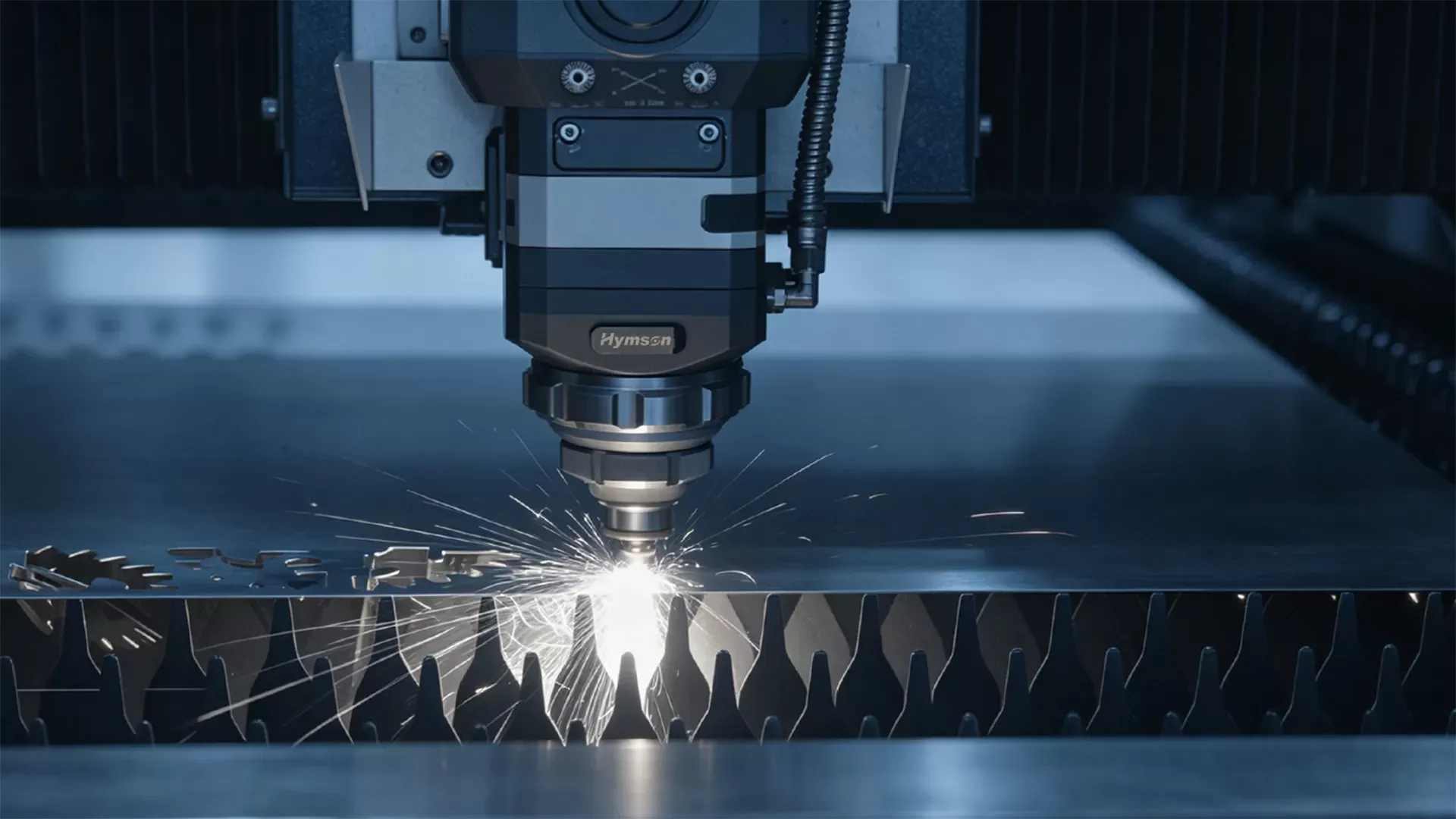
Piercing residue, incomplete cuts, and parts that tilt after separation can interrupt a nested sheet. Their effects may extend beyond one component if the remaining cutting sequence cannot continue.
When assessing a high power fiber laser cutting machine, examine how its process functions address these events. Establish what each function detects, what action follows, and when an operator must intervene.
Detection and collision-avoidance functions address particular events within their operating limits. Include difficult part geometries in the review so the supplier can explain where intervention may still be needed.
How Does Material Handling Affect Continuous Production?
Laser cutting automation introduces additional transfer points. Sheets must be available, loading must complete correctly, and finished work must leave the machine without creating a blockage.
Check the material sizes and conditions supported by the handling system. Establish how sheet-separation problems, unsuccessful transfers, and unloading exceptions are identified.
An automatic loading and unloading machine supports continuous output only when its operating sequence and capacity match the cutting process. Also check whether operators can access completed work and replenish materials without disrupting the planned workflow.
How Should Operators Recover from a Cutting Interruption?
Reliability evaluation should include recovery as well as prevention. Even a well-maintained system needs a defined procedure for interruptions.
Alarm messages should identify the affected function and direct the operator toward the approved response. Keeping the alarm code, job reference, and recent intervention history makes recurring problems easier to investigate.
Establish what happens to the current cutting job after a pause. Operators need to know which operations are complete, what requires inspection, and how to follow the approved restart procedure.
For automated laser cutting, examine communication between the machine and its handling equipment. If one section stops, the connected equipment needs a defined response.
Any recovery demonstration should use safe scenarios agreed with the supplier. Do not bypass guards or interlocks to create a fault or accelerate a restart.
Record the steps, personnel, and time involved. A restart that requires specialist support has different staffing implications from an approved procedure a trained operator can complete. Include those differences in shift planning and escalation arrangements.
What Maintenance and Support Does Continuous Production Require?
Continuous production requires planned maintenance time. Deferring inspections until a breakdown occurs makes output and repair scheduling less predictable.
Build the maintenance schedule around the machine instructions and actual operating conditions. Assign responsibility for routine checks, cleaning, consumable replacement, and work requiring qualified personnel.
Connect symptoms with maintenance actions. Repeated nozzle damage, for example, warrants investigation of the cause rather than simply increasing replacement stock. Follow supplier guidance for diagnosis and corrective work.
Select spare parts and consumables according to usage, delivery times, and supplier recommendations. The aim is to prepare for likely needs without assuming that every possible component must be stored on site.
Make support arrangements specific. Identify the contact route, diagnostic information required, remote-support conditions, and available on-site assistance.
Training should cover warning signs, safe escalation, and recovery as well as normal operation. Clear responsibilities help prevent an unresolved problem from being passed between shifts without sufficient information.
Which HyLaser PRO Functions Support Continuous Production?
Hymson Laser Machinery presents HyLaser PRO as a machine for continuous, high-intensity production. Its published functions provide practical points to examine during a technical review:
- Smart Piercing manages the transition from piercing to cutting. Assess its effect on representative nests rather than inferring overall productivity from the feature name.
- Auto Recut detects and recuts incomplete cuts. Record its operation and any remaining intervention during testing.
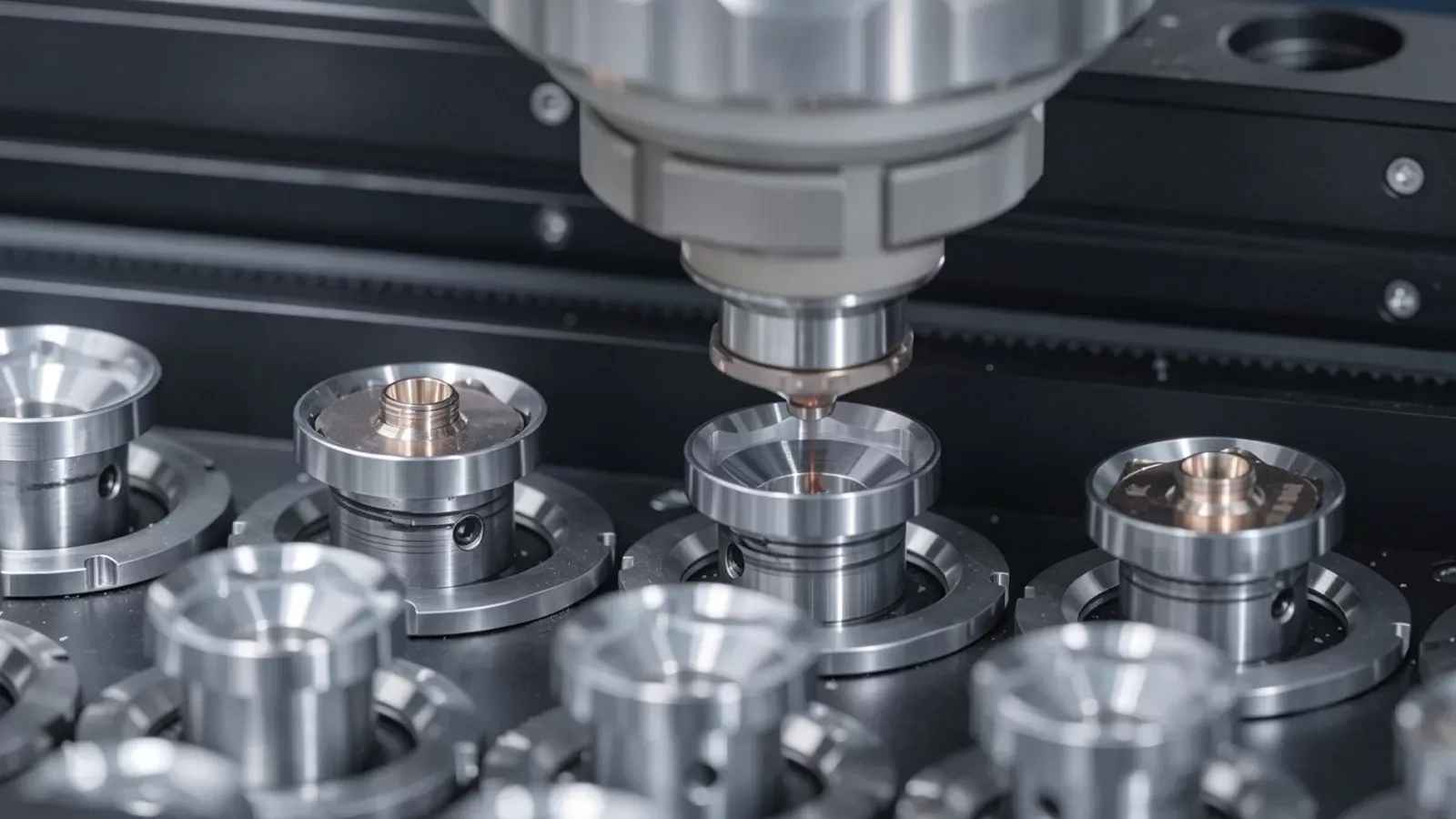
- Automatic nozzle changing, when included, supports nozzle management. Confirm its scope and the maintenance it still requires.
- Automation integration can coordinate material handling with cutting. Review compatible equipment and exception handling for the proposed installation.
Evaluate the structural design together with repeated sample measurements; its contribution to stability should be assessed under the proposed operating conditions.
Confirm supplied and optional functions in writing. An automatic laser cutting machine still needs suitable materials, established processes, maintenance, and trained personnel. Reduced intervention does not mean that every job can run indefinitely without supervision.
How Can You Verify a Laser Cutting Machine’s Reliability?
What Should a Representative Production Trial Include?
Build the trial around normal materials, thicknesses, geometries, and job changes. Test the proposed power configuration rather than relying on results from a different machine setup.
Agree on the operating period, inspection method, and acceptance criteria beforehand. Specify when samples will be inspected and what happens if a requirement is missed, including correction and retesting where agreed.
|
Review area |
Evidence to examine |
|
Quality consistency |
Dimensions and edge condition at different stages |
|
Process intervention |
Causes, recuts, rework, and operator involvement |
|
Material flow |
Transfer problems and loading or unloading waits |
|
Recovery |
Approved diagnosis and restart procedures |
|
Maintenance |
Access, consumable replacement, and planned work |
Document material, gas, consumables, staffing, machine configuration, and software functions used. These conditions make results easier to interpret and reproduce.
Can a Cutting Trial Prove Long-Term Reliability?
A trial verifies performance within its particular conditions. It cannot reveal every wear-related issue or establish future availability.
Where available, request relevant operating and maintenance records or verifiable customer references from comparable applications. Consider differences in materials, shift patterns, configuration, and maintenance before applying those results to your factory.
Useful records identify recurring interruptions and what resolved them. For an availability claim, establish the period covered, scheduled production hours, and which stoppages were excluded. A customer testimonial can add context, but it does not replace dated operating records.
Assess the machine through both demonstrated capability and credible operating evidence. Stable cutting, coordinated handling, manageable maintenance, and clear recovery procedures provide a stronger purchasing basis than power and speed specifications alone.